The V2X frequency spectrum
Why V2X lives at 5.9 GHz, how the band is split into channels, and why Europe, the US and China don't agree on the details.
Vehicle-to-everything (V2X) safety communication was given a dedicated slice of radio spectrum around 5.9 GHz — the Intelligent Transport Systems (ITS) band. It sits just above the 5 GHz Wi-Fi bands, which is no accident: the original car-to-car radio (ITS-G5 / IEEE 802.11p) is a close cousin of Wi-Fi. A dedicated band keeps life-critical traffic messages clear of congested consumer spectrum, but every major region has carved it up slightly differently.
Europe — ETSI ITS-G5 (5855–5925 MHz)
In Europe the ITS band spans 5855–5925 MHz and is divided into seven 10 MHz channels grouped by purpose (ETSI EN 302 663):
- ITS-G5A — safety (5875–5905 MHz): the heart of the band. The control channel (CCH) carries the high-priority Cooperative Awareness (CAM) and hazard (DENM) messages every station must hear; the service channels SCH3/SCH4 offload additional safety traffic.
- ITS-G5B — non-safety (5855–5875 MHz): service channels SCH1/SCH2 for traffic-efficiency and infotainment-style ITS services.
- ITS-G5D — future ITS (5905–5925 MHz): reserved for the evolution of ITS, including newer C-V2X deployments in parts of Europe.
Regional differences — Europe vs the United States
The US originally licensed the full 75 MHz from 5850–5925 MHz for DSRC (the American name for 802.11p), with seven channels. In 2020 the FCC re-plated the band: the lower 45 MHz (5850–5895) went to unlicensed Wi-Fi (U-NII-4), and only the upper 30 MHz (5895–5925) was kept for V2X — and reassigned exclusively to C-V2X rather than 802.11p. China took a different route again, allocating 5905–5925 MHz (20 MHz) to LTE-V2X.
Background informed by ETSI EN 302 663, FCC band-plan decisions, and the Vector V2X know-how overview. Channel centre frequencies are nominal.
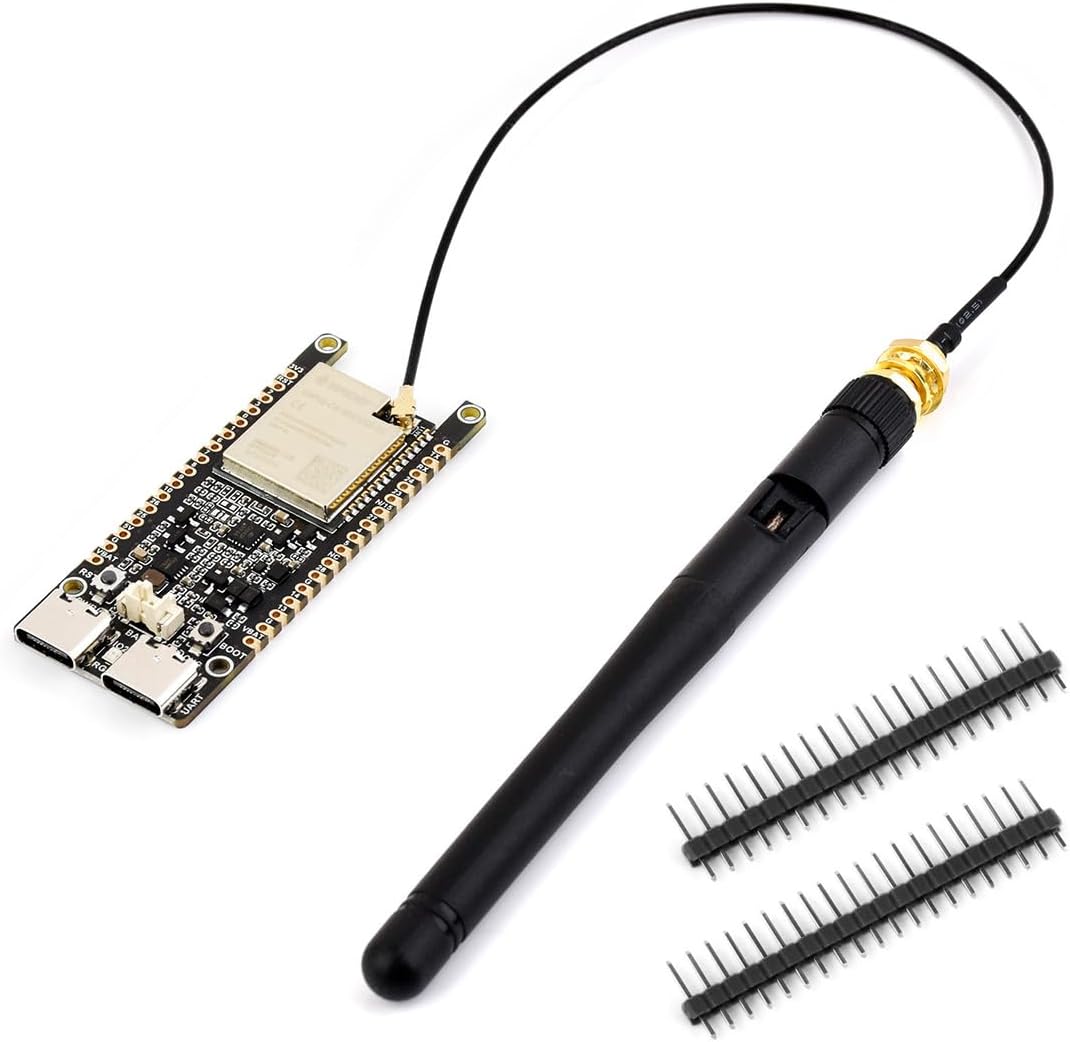
Build your own V2X receiver:
Affiliate link. We may earn a commission on qualifying purchases at no extra cost to you.