ITS-G5 vs C-V2X
Two incompatible radios fight to be the physical layer of V2X. They carry the same messages — but they cannot hear each other.
Every V2X safety message — a CAM, a DENM, a SPATEM — has to travel over some radio. Two competing technologies exist for that job, and they are not interoperable on the air: a vehicle using one cannot directly receive the other. This single decision has split the V2X world by region.
ITS-G5 (IEEE 802.11p)
ITS-G5 is the European profile of IEEE 802.11p, a variant of Wi-Fi adapted for fast-moving vehicles. It is a mature, proven, ad-hoc technology: two cars within range simply talk, with no base station, no SIM card and no network subscription. In the US the same 802.11p radio is known as DSRC (Dedicated Short-Range Communications).
Its medium access uses CSMA/CA — carrier-sense multiple access with collision avoidance. Before transmitting, a station listens and only sends if the channel is idle. It's simple and decentralized, but performance degrades as the channel gets crowded.
C-V2X (LTE-V2X and 5G-NR-V2X)
C-V2X (Cellular V2X) comes from the 3GPP cellular world. It has two faces: a network mode (Uu) that talks through cellular towers, and a direct sidelink mode (PC5) that lets vehicles talk to each other without any network — the true competitor to ITS-G5.
In its direct mode (LTE-V2X Mode 4), vehicles autonomously select and manage their radio resources without cellular infrastructure, using a scheduled, sensing-based reservation scheme rather than the listen-before-talk of 802.11p. The cellular lineage gives it a roadmap: LTE-V2X evolves into 5G-NR-V2X, adding higher throughput and lower latency for advanced cooperative and automated-driving use cases.
Head-to-head
| ITS-G5 / 802.11p / DSRC | C-V2X (PC5 sidelink) | |
|---|---|---|
| Origin | Wi-Fi (IEEE 802.11) | Cellular (3GPP) |
| Medium access | CSMA/CA — listen before talk | Sensing-based semi-persistent scheduling (Mode 4) |
| Infrastructure needed | None — pure ad-hoc | None for PC5; towers for Uu network mode |
| Maturity | Field-proven for over a decade | Newer; rapid deployment, clear 5G roadmap |
| Evolution path | 802.11bd (next-gen 802.11p) | LTE-V2X → 5G-NR-V2X |
| Higher layers | Same ETSI message set in Europe (CAM, DENM, SPATEM, MAPEM…) | |
Who uses what — regional adoption
- Europe: historically ITS-G5-first (early deployments, the C-ROADS corridors), but technology-neutral regulation means C-V2X is also being rolled out — leading to mixed deployments.
- United States: after the 2020 FCC band re-plan, the V2X portion of the 5.9 GHz band is reserved exclusively for C-V2X; DSRC/802.11p is being phased out.
- China: committed to C-V2X (LTE-V2X) from the start, with a dedicated 5905–5925 MHz allocation.
MAC-layer behaviour and message details summarized from ETSI/3GPP standards and the Vector V2X know-how overview.
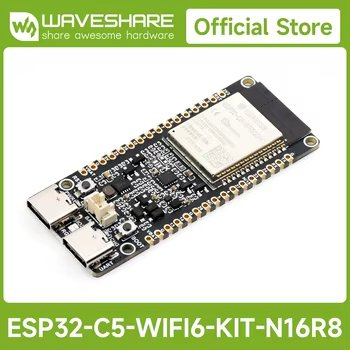
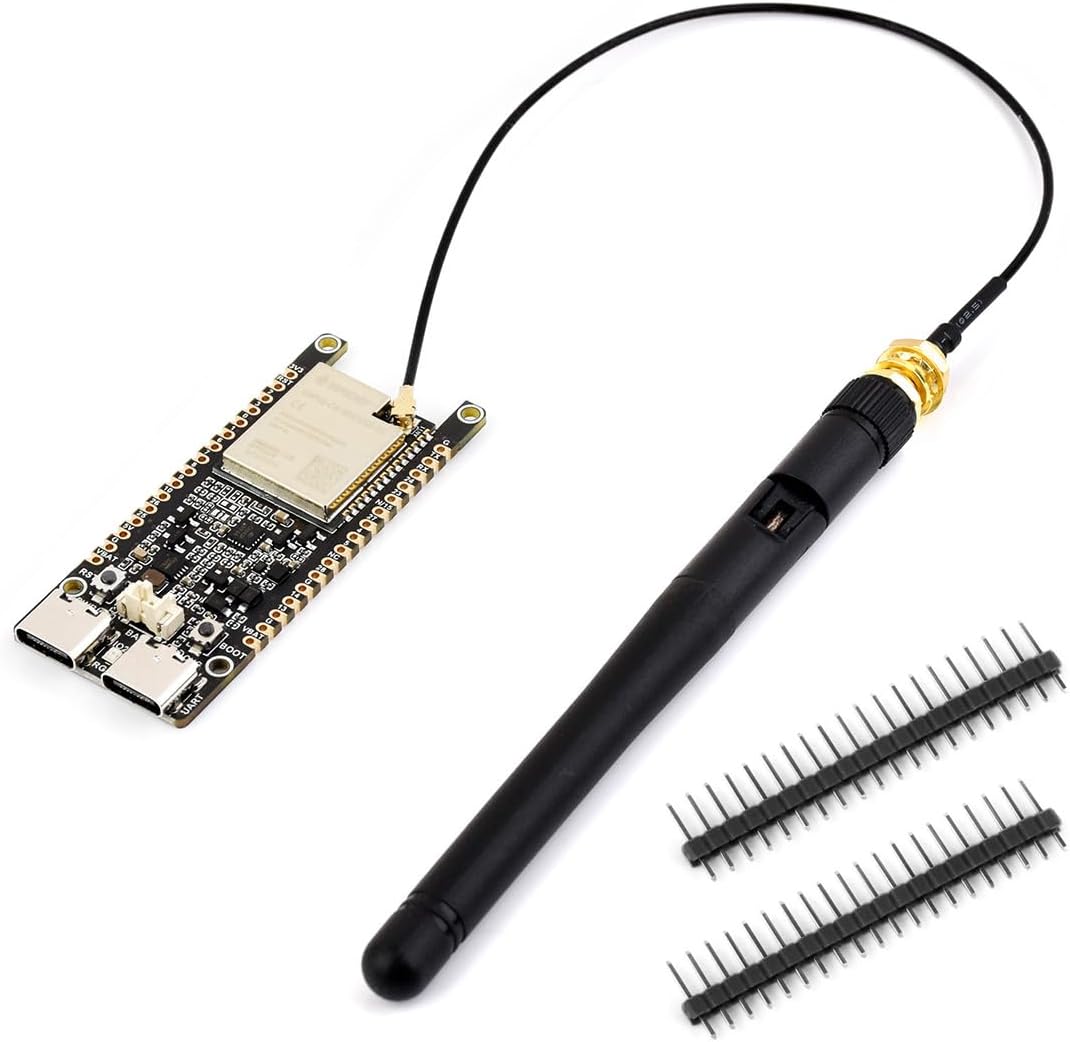
Build your own V2X receiver:
Affiliate link. We may earn a commission on qualifying purchases at no extra cost to you.